Billboards in Connecticut

Billboard Advertising in Connecticut, from $1,200 a Month.

A poster on a state route runs from $329 a month. A digital board on I-95 can pass $5,000. Here is every real number, and which board fits your budget.

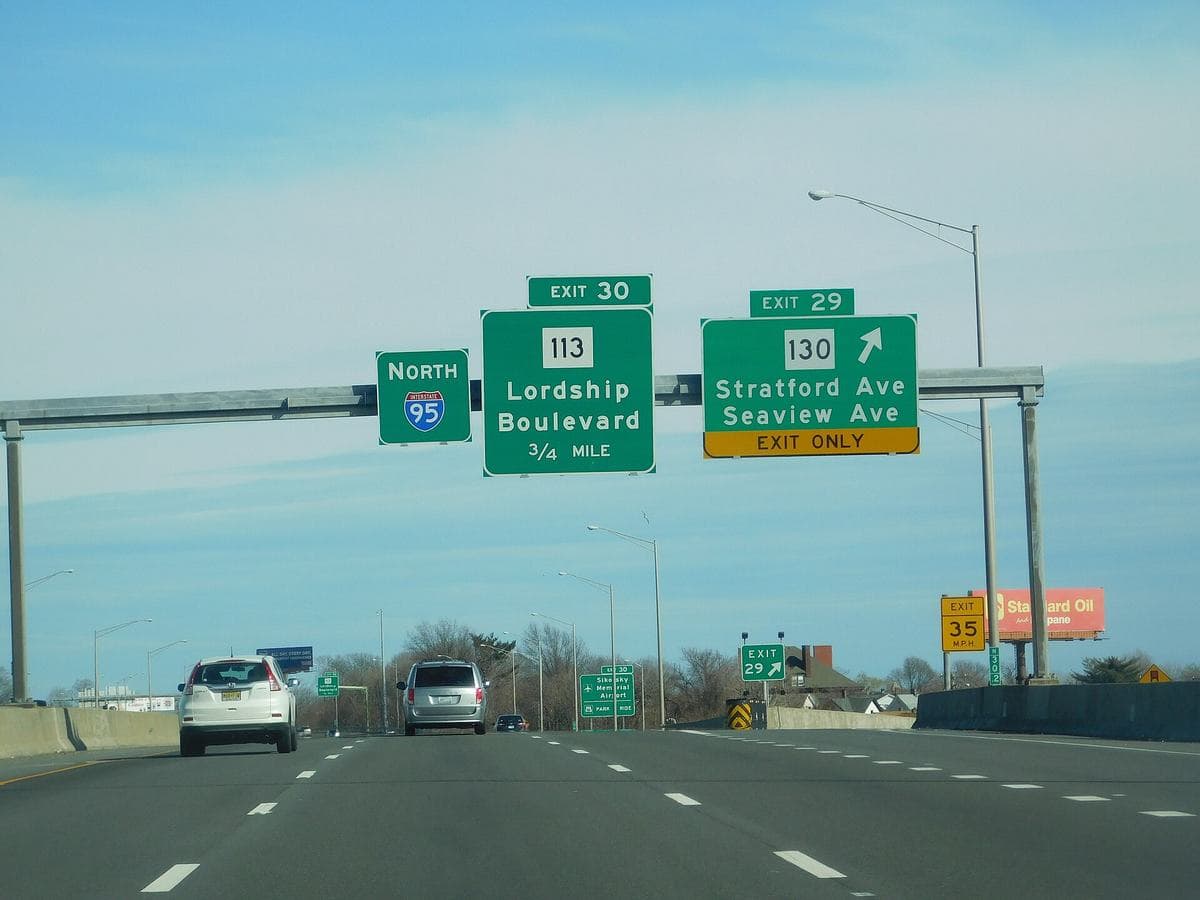
Driving I-95 north through Bridgeport, Connecticut

175,000 drivers cross Hartford on I-84 every day. One board could say your name to all of them.

The Straight Answer

Nobody will hand you a billboard rate card. So we built one.

Call any operator in the state and you’ll get the same two-step: a friendly voice, then a meeting request. The price arrives only after the pitch.

Below is our running rate card for Connecticut boards: what each format really starts at, checked against market data. Bring it to the sales call.

175,000 vehicles a day cross I-84 through downtown Hartford, the busiest stretch of highway in Connecticut.

Source: CT General Assembly / I-84 Hartford Project

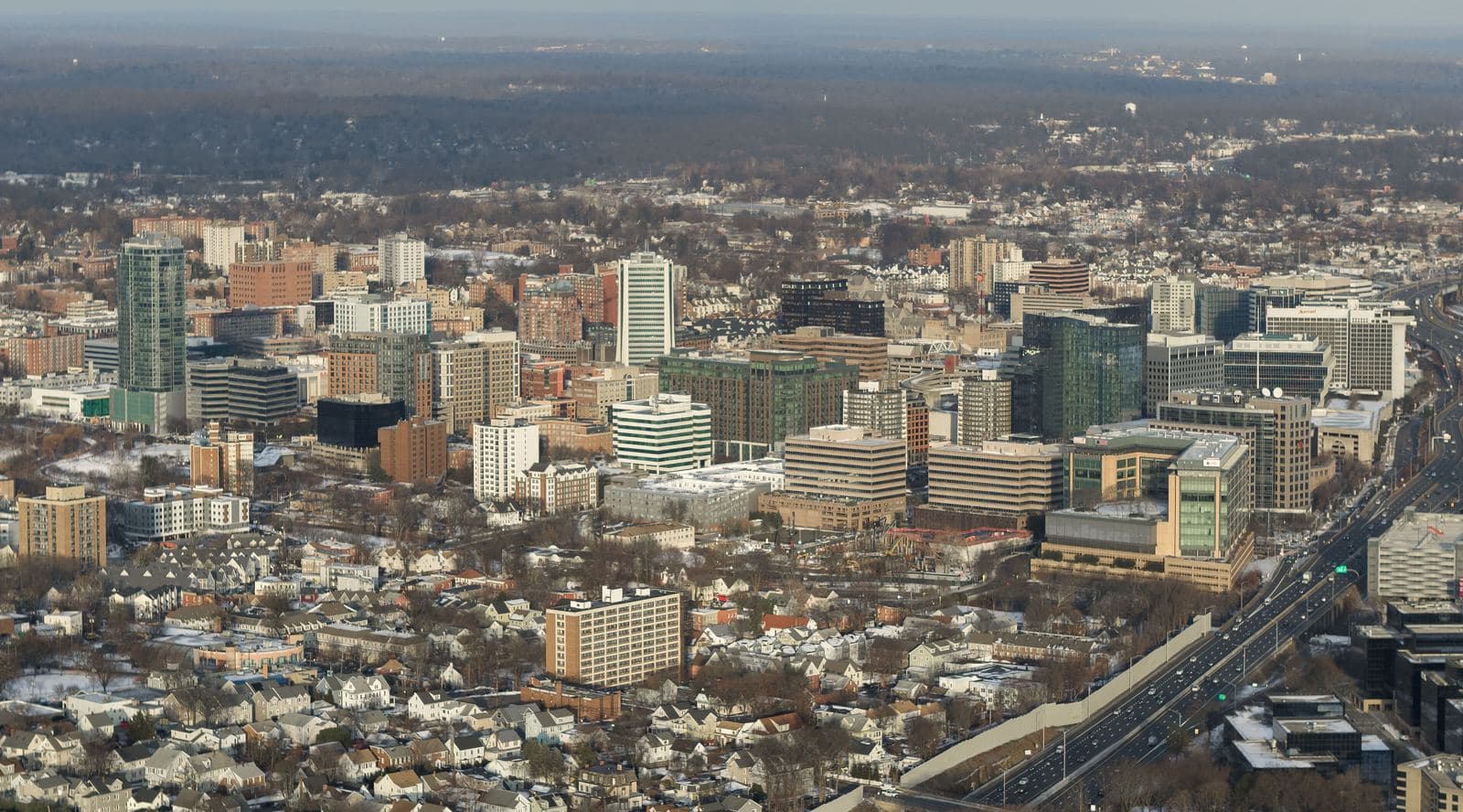
Downtown Stamford, Connecticut

The Rate Card

The Prices No Rep Will Put in Writing.

Five formats cover every billboard you can buy in Connecticut. This is what they start at.

FormatStarting CostWhat You Get
Poster (State Routes)from $329/4 wks11×23 ft board, one town’s daily traffic
Junior Posterfrom $500/4 wksSmaller board at neighborhood scale
Bulletin (Interstate)from $1,200/moThe classic 14×48 ft highway board
Digital Rotaryfrom $2,500/mo8-second slots, swap your art anytime
Self-Serve Digitalfrom $20/dayBlip and Fliphound-style, no contract

Last verified August 2026. Market reference: the average Hartford-area billboard runs about $4,600 a month (AdQuick market data). Your exact price depends on the corridor, the side of the road, and the season.

Interstate 95

The Gold Coast Run.

Greenwich to New Haven is the most valuable stretch of road in New England: the corridor where Fairfield County money commutes. Boards here cost the most, and earn it.

150,000 vehicles a day move between Greenwich and New Haven, the richest audience in the state.

Source: CTDOT traffic monitoring

Starting costfrom $2,000/mo
Advertising in StamfordPrice I-95 Boards
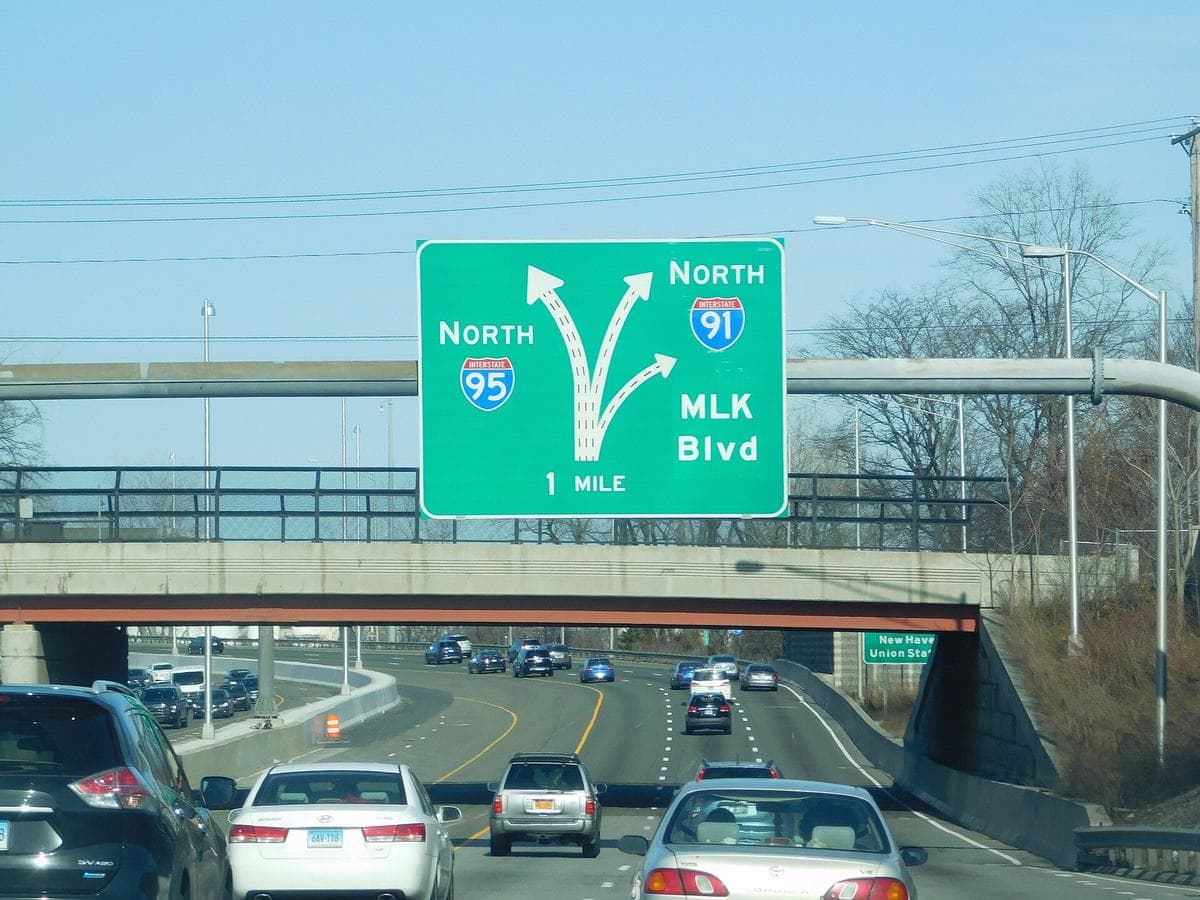
I-95 near the Howard Avenue overpass in New Haven

Interstate 84

Through the Capital.

Danbury to Hartford, straight across the busiest pavement in Connecticut. If you want the whole capital region to know your name, this is the road that does it.

175,000 vehicles cross downtown Hartford every day, the busiest stretch of highway in the state.

Source: CT General Assembly / I-84 Hartford Project

Starting costfrom $1,500/mo
Advertising in HartfordPrice I-84 Boards
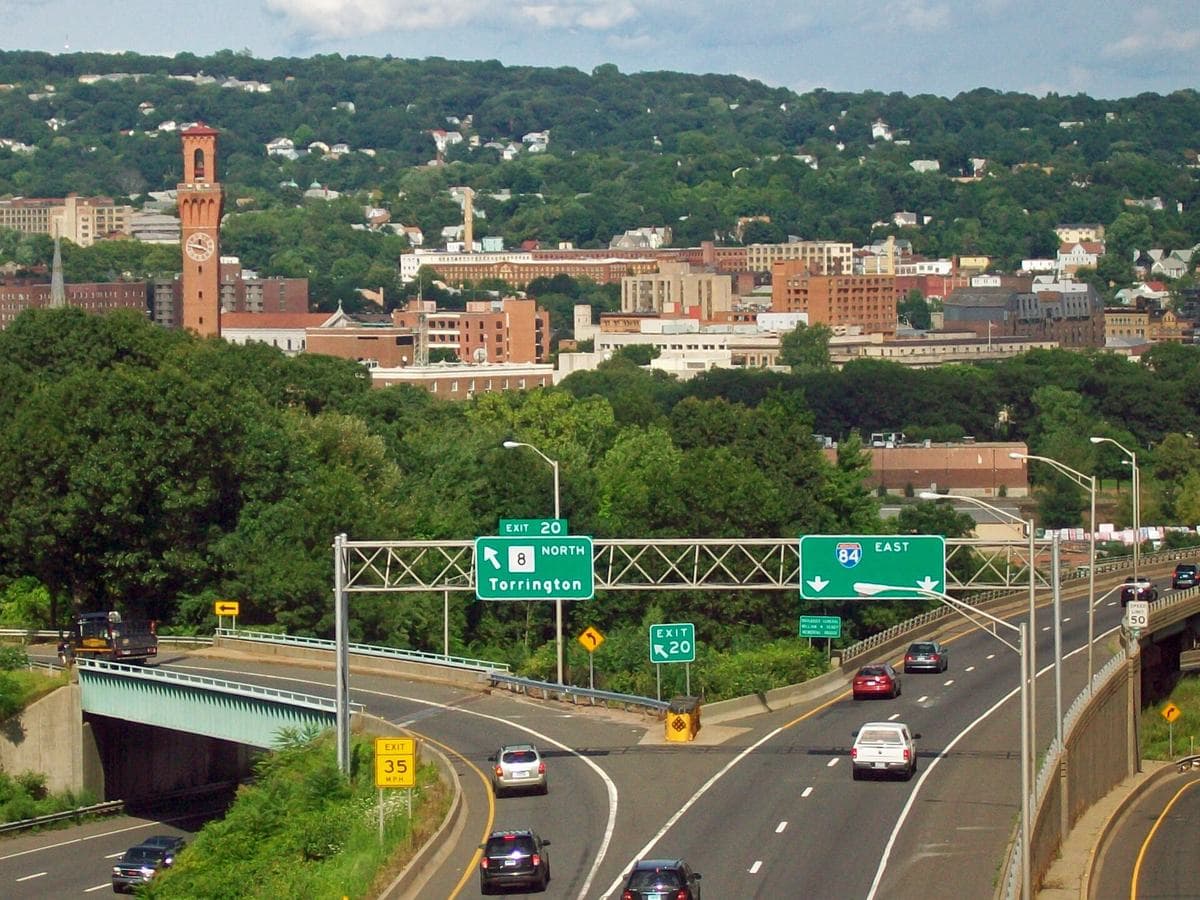
I-84 approaching downtown Waterbury, Connecticut

I-91 & Route 15

The Commuter Spine.

New Haven to Hartford on I-91, and the Merritt’s affluent daily drivers on Route 15. Steady commuter traffic at gentler prices than I-95.

71% of drivers say they consciously read the billboards they pass.

Source: OAAA driver research

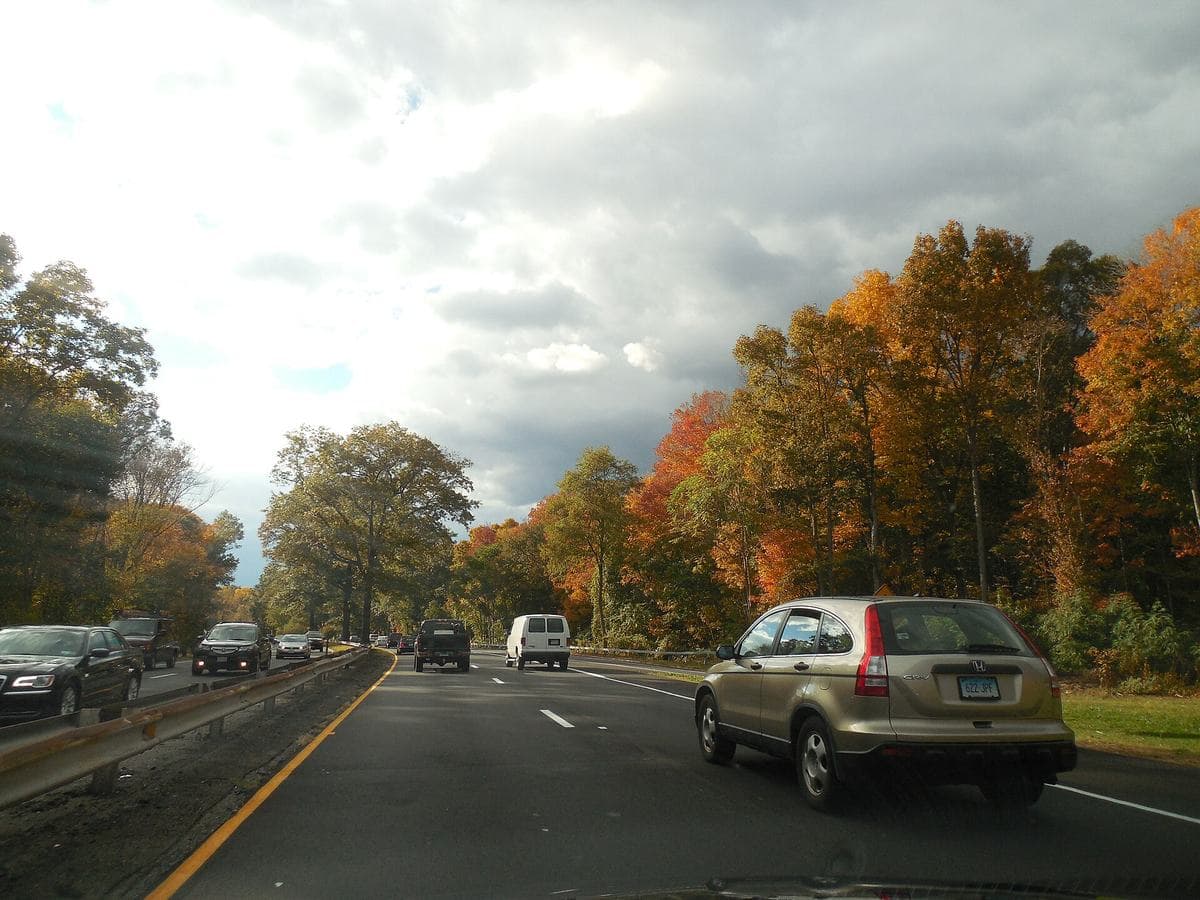
The Merritt Parkway in autumn

State Routes & Town Centers

Your Own Main Street.

Posters on the roads your customers actually live on: Route 1, Route 44, the way to the grocery store. This is where most Connecticut small businesses should start.

$329 is where Hartford-market posters start per four-week period.

Source: AdQuick market data

Starting costfrom $329/4 wks
Advertising in WaterburyPrice a Poster
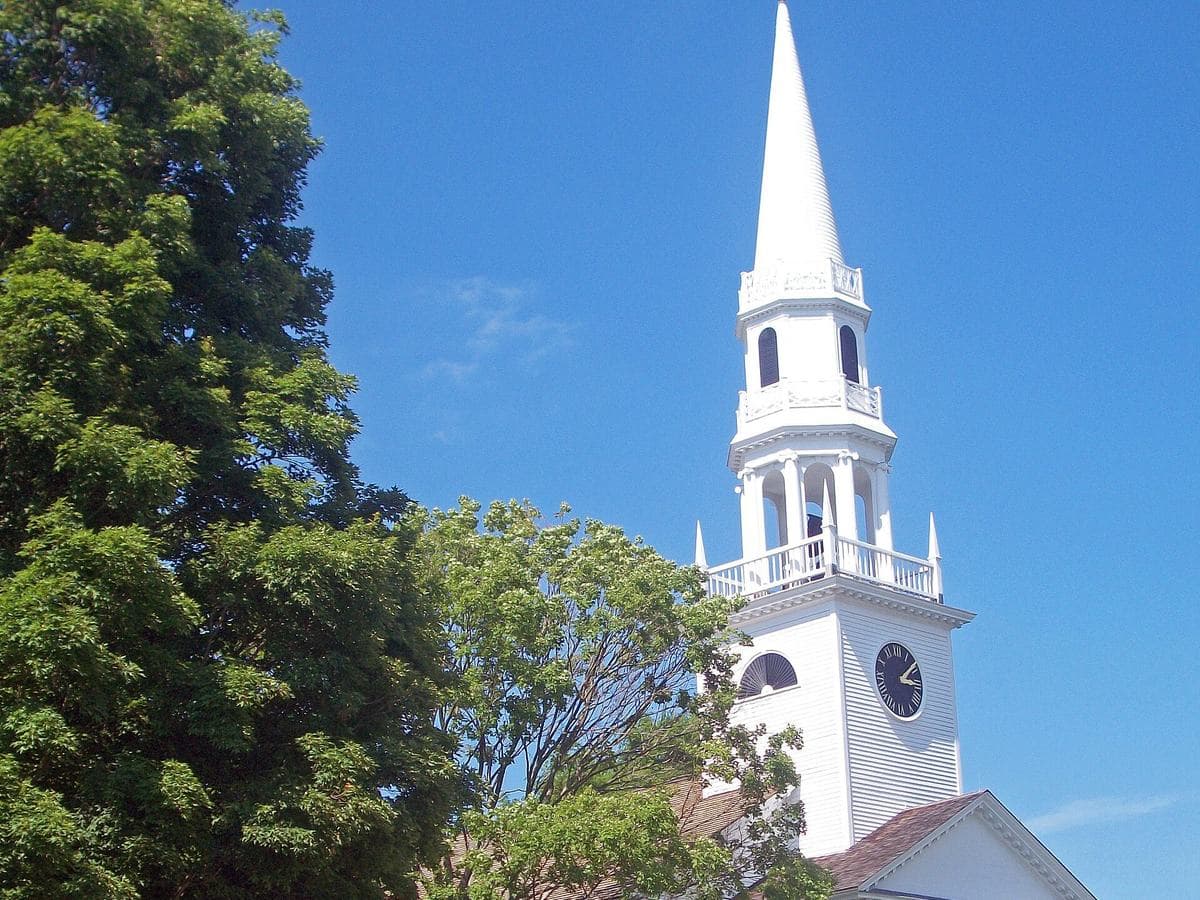
The First Congregational Church on the Litchfield green
New Haven, Connecticut, seen from East Rock

An Honest Read

Should You Buy a Board?

Billboards are a great buy for some businesses and a bad one for others. Here is the honest split.

A Billboard Is Right If

  • You want your town or corridor to know your name
  • Your customers drive past the same spot every day
  • You can commit for 3 months or more
  • Your message fits in seven words and a phone number

Skip It If

  • You need trackable phone calls this week: search ads win there
  • Your budget is under about $300 a month: start with sponsorships
  • You need to target by age or interest: that is streaming TV
  • Your offer changes weekly and the board is static

Not sure which side you land on? Get the Answer for Your Business

The Operators

Who Actually Owns the Boards.

Four names control most billboard space in Connecticut. We don’t own boards and we don’t take a side: we tell you which operator has the right space for your budget.

OUTFRONT Media

The biggest operator in the state. OUTFRONT’s own market page claims more than half of Connecticut’s billboard inventory, concentrated in Hartford, New Haven and along the interstates. OUTFRONT Rates

Lamar Advertising

National operator with deep inventory across Connecticut and western Massachusetts: highways, major intersections and a growing digital network. Lamar Rates

Barrett Outdoor

Connecticut’s own. Family-run since 1962 and based in West Haven, strongest along I-95 from Bridgeport through Stratford and Milford. Barrett Rates

Self-serve digital networks

Blip, Fliphound and similar platforms sell digital board time by the day from about $20, no contract. A smart way to test a message before a bigger buy. Blip Rates Fliphound Rates

The Process

How Buying Works

Three steps from budget to board, in plain English.

Tell Us Your Budget and Towns

Two minutes: what you sell, where your customers drive, and what you can spend each month.

We Price Real Boards

Actual corridors, formats and monthly costs for your budget, in writing, before you ever talk to an operator.

Art, Print, Live

Production runs $300 to $600 for a vinyl, digital needs none. Most boards can be live in about two weeks.

Questions

Billboard Questions, Answered Straight.

How much does a billboard cost in Connecticut?

Posters on state routes start around $329 per four-week period. Classic 14×48 bulletins on the interstates start around $1,200 a month and climb past $4,500 in premium spots. Large digital boards can exceed $5,000 a month; the market average in the Hartford area is roughly $4,600 (AdQuick market data). Self-serve digital time starts around $20 a day.

Is billboard advertising worth it for a small business?

It depends on the goal. 71% of drivers say they consciously read billboards (OAAA), which makes boards strong for being known in your area and for directional messages like “exit 39, two miles.” They are weaker for tracking exact leads. If you need phone calls this week, search ads usually win; if you want your town to know your name by spring, a board earns its keep.

How long do I have to commit for?

Static boards are sold in four-week periods, and most operators want 3 to 6 of them. Digital boards are far more flexible: campaigns can run month to month, and self-serve networks sell by the day with no contract at all.

What does production cost on top of the space?

Printing a vinyl for a standard bulletin typically runs $300 to $600 one time. Digital boards have no production cost beyond designing the artwork, and you can change the creative whenever you like.

Digital or static: which should I pick?

A static board gives you 100% of the location's attention around the clock and costs less. A digital board shares an 8-second slot in a loop, costs more, but lets you swap messages instantly and buy shorter runs. First board on a tight budget: static poster. Testing offers or rotating messages: digital.

Can I get a billboard on $500 a month?

Yes. Posters on state routes and secondary roads start around $329 per period, and self-serve digital networks sell time from roughly $20 a day. You will not get an I-95 bulletin at that price, but you can absolutely be seen in your own town.

Stop Guessing. Price Your Board.

Tell us your budget and your town, and we’ll come back with real boards, real corridors and real monthly costs, free, in one business day.

Price My Billboard

Takes 2 minutes · Free · Real prices in writing

Get Started

Find the Board That Fits.

Tell us the basics. We’ll match your budget to the corridors and formats that actually cover your customers. Here’s what you get:

  • The exact corridors and formats for your budget
  • Real board prices for your town, in writing
  • The right board for your area, not the whole state

Takes 2 minutes. Free. Real prices in writing.