
Metro-North Advertising in Connecticut
Metro-North Station Ads, from $300 a Month.
The New Haven Line carries Fairfield County's highest earners to work and home again, twice a day, past the same platforms. Station media there is sold through OUTFRONT under its MTA contract. Here is what it starts at.
175,000 drivers cross Hartford on I-84 every day. One board could say your name to all of them.
The Straight Answer
The richest commute in America has walls for rent.
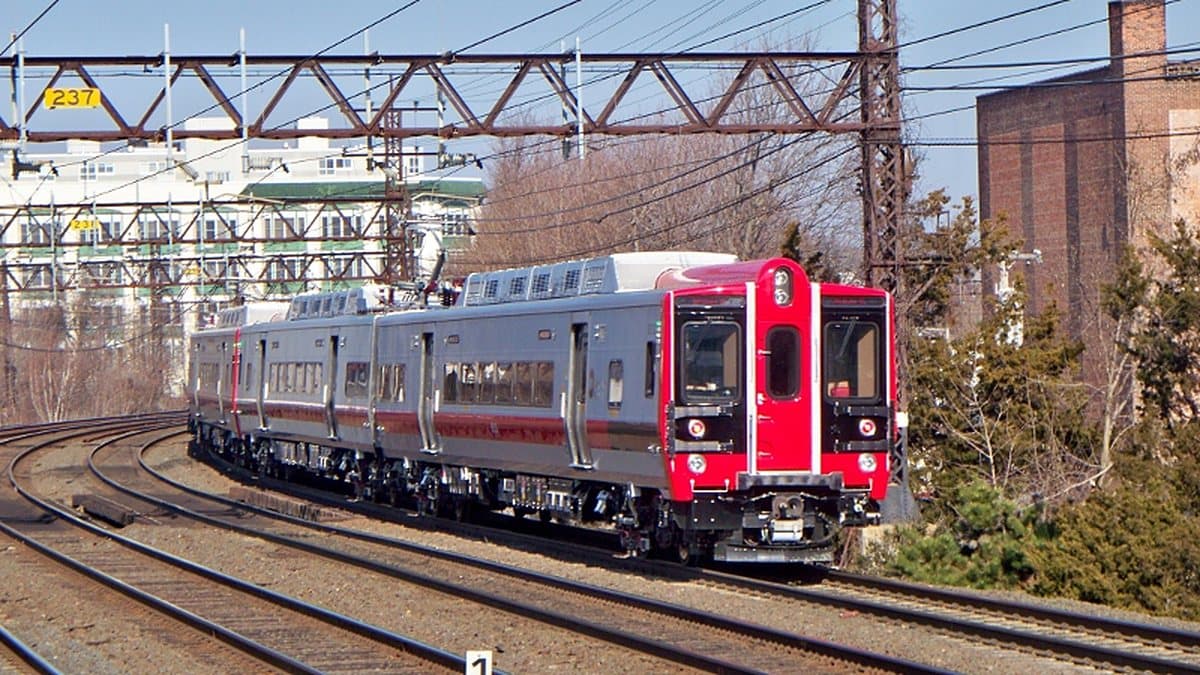
Metro-North's Connecticut stations, Stamford, Greenwich, Westport, Fairfield, New Haven and the rest of the line, put poster and digital media in front of rail commuters with time to read them.
The advertising rights belong to OUTFRONT under its MTA contract, which means one seller, published spec sheets, and packages from single-station one-sheets to line-wide dominations.
#1 Stamford is Metro-North's busiest station outside New York City, and its platforms and corridors carry poster media.
Source: MTA ridership data
The Rate Card
What Metro-North Actually Costs.
Independently researched starting costs, checked against published materials and market data.
| Buy | Starting Cost | What You Get |
|---|---|---|
| Station One-Sheet Poster | from $300/4 wks | A single poster unit at one Connecticut station |
| Station Domination, Small | from $2,500/4 wks | Multiple units owning one station's flow |
| Digital Screens | from $1,000/4 wks | Rotating slots on station digital displays |
Last verified August 2026. Floors reflect published transit media guides for commuter rail station inventory; exact Metro-North rates come from OUTFRONT's MTA sales team and vary by station traffic, with Stamford commanding the premium.
The Process
How Buying Works
Three steps from budget to live, in plain English.
Pick Stations by Your Customers
A Westport wealth manager belongs in Westport and Greenwich, not across the whole line. Station-level buys keep the budget tight.
Quote Through the MTA Seller
OUTFRONT holds the MTA advertising rights, including Connecticut's stations. Ask for station ridership with every quote.
Match Creative to Dwell Time
Platforms hold readers for minutes, not seconds. Longer copy works here in a way highway boards never allow.
Priced by Town
Where This Reaches.
Our town guides price Metro-North against every other option in the same market, so you can see what it beats and what beats it before you call anyone.
The Alternatives
Before You Buy, Compare.
We don’t sell for Metro-North and we don’t take a side: we tell you which option fits your towns and your budget.
CTtransit buses
Moving street-level media from a government-published $75 a month. Compare Prices
OUTFRONT highway boards
The same seller's roadside inventory, from $329 per four weeks. Compare Prices
All Connecticut billboard prices
Every corridor and format in the state, priced honestly. Compare Prices
Questions
Metro-North Questions, Answered Straight.
How much does Metro-North station advertising cost?
Single one-sheet posters at Connecticut stations start around $300 per four-week period per published transit media guides, digital screen slots around $1,000, and multi-unit station dominations from about $2,500. Stamford, the busiest station outside New York, prices at the top.
Who sells Metro-North advertising?
OUTFRONT Media, under its advertising contract with the MTA, which covers Metro-North including the Connecticut stations. There is one seller, which makes specs and availability straightforward once you know who to call.
Who actually sees station ads?
Fairfield County's rail commuters: the New Haven Line links Greenwich, Stamford, Norwalk, Westport, Fairfield, Bridgeport and New Haven to Manhattan. It is the wealthiest recurring audience in Connecticut advertising, and they pass the same posters ten times a week.
Station ads or a highway board?
Different audiences at different speeds. The board reaches drivers for seconds; the platform holds commuters for minutes. Financial, legal, medical and premium home services do disproportionately well at rail stations for exactly that reason.
Also Asked
Do billboards actually work?
For recognition, yes, and Connecticut traffic counts are genuinely large: about 175,000 vehicles a day on I-84 through Hartford. They do not create immediate response, so they work best supporting a channel that captures demand rather than as a lone buy. Billboard prices
How much does a billboard cost in Connecticut?
A highway bulletin starts around $1,200 a month, a poster on a state route from about $329 for four weeks, and digital boards can be bought by the day from roughly $20. Production is separate for static boards, which is why short campaigns usually favour digital. Billboard prices
How much does a digital billboard cost?
Digital boards are sold by the day or even by the play in Connecticut, from about $20 a day or five cents per play. That makes them the only outdoor format a small budget can use for a single weekend or evening. Digital board prices
Stop Guessing. Price Your Stations.
Tell us your budget and your towns, and we'll come back with the stations, formats and real transit rates worth buying, free, in one business day.
Price My Station AdsTakes 2 minutes · Free · Real rates in writing
Get Started
Own the Platform.
Tell us the basics. We'll match your budget to the stations and formats that actually reach your customers. Here's what you get:
- The exact stations and formats for your budget
- Real transit rates for your towns, in writing
- Platforms versus boards, priced side by side
Takes 2 minutes. Free. Real rates in writing.
Rate sources: OUTFRONT MTA transit advertising materials (outfront.com); MTA published ridership data; Published transit media rate guides, 2026. Last verified August 2026.
AdvertisingCT.com is an independent guide for Connecticut advertisers. We are not affiliated with, endorsed by, or acting on behalf of Metro-North, and all names and trademarks belong to their owners. Rates shown are independently researched estimates of typical starting costs as of August 2026, drawn from published rate materials, public filings, market data and advertiser reports. They are not offers or quotes. Actual pricing is set solely by the vendor and varies by availability, season, placement and negotiation. Spot an outdated number? Tell us and we’ll verify it.